竹製ウォーターボトルの予想寿命を理解するには、現代の容器工学で使用される構造コンポーネントと並行して、有機竹の物理的特性を評価する必要があります。オーガニックの竹製コンテナは、自然な美しさと物理的な弾力性が魅力的に融合しています。ただし、生の竹は天然のセルロース素材であるため、その寿命は製造品質、表面保護コーティング、内部ライナーの選択、および日常的なユーザーのケアに大きく依存します。一般的な消費者の使用状況では、適切に製造された竹製容器は 2 ~ 5 年間は完全に機能し続けることができます。適切なメンテナンスが一貫して適用される最適化された条件では、物理的構造は構造的な破損を起こすことなくさらに長く耐えることができます。
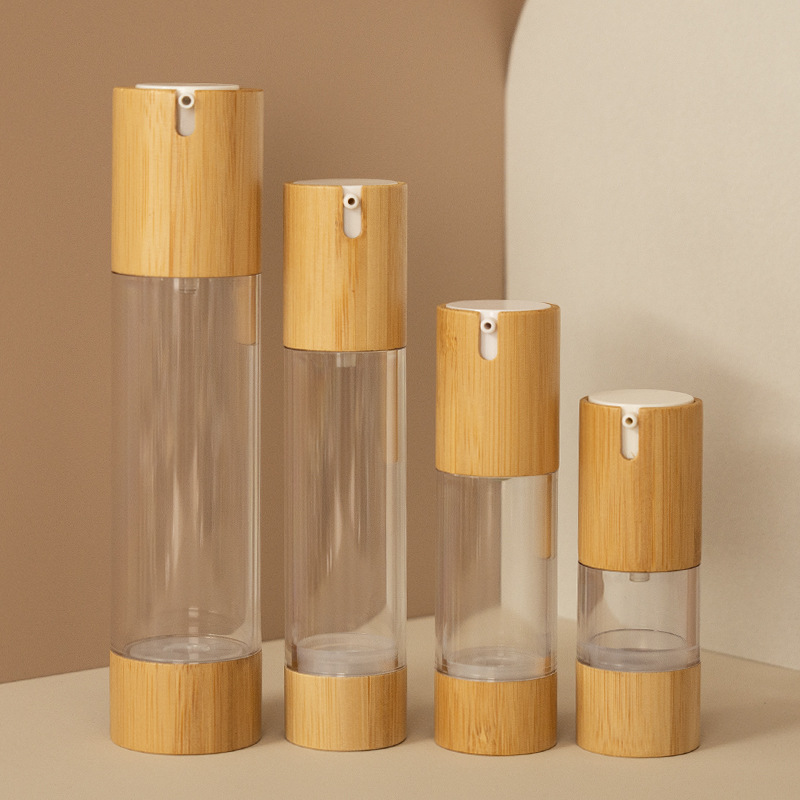
これらの容器がどのくらいの期間完全性を保つかを分析する場合、外部の有機シェルと内部の液体リザーバーを区別することが重要です。毎日の飲料消費のために作られたものであっても、持続可能なものとして作られたものであっても、最もモダンなデザイン 竹製の化粧品ボトル コンテナでは、二重層アーキテクチャを利用します。外側のシェルは彫刻または紡績された竹の茎の素材で構成されており、内側の表面はステンレス鋼、ガラス、またはリサイクル可能なポリマーなどの非反応性ライナーを備えています。このマルチマテリアル構造は、生の木材繊維を液体との継続的な接触から保護し、外部衝撃に対する構造強化を提供します。これらのハイブリッド容器の真の寿命を評価するには、これらの異なる層がさまざまな環境条件下で時間の経過とともにどのように老化するかを調べる必要があります。
[画像: 竹の化粧品ボトルの断面を示す図。竹の外側の壁と内側の保護ライナーのアセンブリを示しています。]
竹ボトルの寿命を決める主要な構造コンポーネント
竹製容器の総耐用年数は、その有機成分と工学的に設計された構造要素の間の相互作用に依存します。各構造コンポーネントを個別に評価することで、毎日の長期間の使用によってボトルのさまざまな部分がどのように劣化するかが明確になります。
天然の竹外皮の弾力性と素材の摩耗
外部の竹の殻は、物理的衝撃や環境への曝露に対する主なシールドとして機能します。天然の竹は特定の金属合金に匹敵する高い引張強度を備えており、物理的な衝撃を吸収しても簡単には割れません。ただし、外面は本質的に多孔質であり、周囲環境要因の影響を受けやすくなっています。メーカーは、外部の木目をシールするために、特殊な食品グレードのワニス、天然ワックスコーティング、または耐水性ラッカーを塗布します。この保護シールが損なわれていない限り、外殻は吸湿や物理的劣化を防ぎます。
毎日の取り扱いや粗い表面との接触により、時間の経過とともに、この保護表面層が徐々に侵食されます。その下の生の繊維が湿気、周囲の空気、手の自然な油にさらされると、自然な分解プロセスが始まります。保護されていない竹繊維は、周囲の湿気を吸収すると膨張し、乾燥すると収縮することがあります。この繰り返しの膨張と収縮のサイクルにより、粒子壁内に微小な亀裂が生じ、最終的には目に見える亀裂へと拡大します。したがって、外殻の動作寿命は、丁寧な取り扱いと適切な乾燥技術によって表面仕上げの完全性を維持できるかどうかに直接依存します。
インナーライナーの素材と界面の完全性
内部ライナーは液体を含む主なバリアとして機能し、液体配合物と生の有機木材繊維が直接接触するのを防ぎます。ステンレス鋼と高ホウケイ酸ガラスは飲料容器の内部材料として最も広く使用されていますが、竹製の化粧品ボトルのパッケージにはポリプロピレンやポリエチレンテレフタレートグリコールなどの特殊なポリマーが一般的です。ガラスやステンレス鋼は液体内容物にさらされても劣化しないため、内部リザーバーの耐久性は外部の木製ケーシングの耐久性を上回ることがよくあります。
この二重層アセンブリ内の構造破損の主な点は、内側のライナーが外側の竹のシェルと結合する界面に存在します。メーカーは、食品グレードの接着剤と精密な圧力嵌めを利用して 2 つの材料を結合します。何か月間も定期的に使用すると、内側の金属またはガラスのコアと外側の竹ケーシングの間の熱膨張差によって、この接着結合に応力がかかる可能性があります。結合が弱まると、外側のケーシングと内側の容器の間の小さな空隙に湿気が滑り込み、目に見えない細菌の増殖や内側の木製の壁の構造的軟化が発生する可能性のある湿った環境が作成される可能性があります。
長期にわたるシール性能とガスケットの寿命
竹ボトルの耐用年数は、密閉機構と密閉コンポーネントにも同様に依存します。ほとんどのキャップには、漏れを防ぎ、内部内容物を酸化から保護するために設計された内部シリコン ガスケットまたはエラストマー シールが備えられています。シリコーンガスケットは長年にわたってその弾力性を維持しますが、熱い液体、酸性のジュース、または化粧品の配合物に継続的にさらされると、材料が徐々に硬化したり、密閉圧縮が失われる可能性があります。
内部のガスケットが劣化すると、漏れの危険性が大幅に高まります。ネジ山アセンブリを通って漏れた液体は、ボトルの外側の首を滴り落ち、生の木の繊維が最も傷つきやすい竹のケーシングの上端に浸み込む可能性があります。弾力性が低下したときに交換用シールを確実に取り付けることで、竹の木目への水の浸入を防ぎ、ボトル構造全体の総耐用年数を延ばします。
さまざまな使用条件における寿命指標
| 使用プロファイルと環境 | 主なストレス要因 | 予想される動作寿命 | 一次故障モード |
|---|---|---|---|
| 低湿度の室内環境 | 軽い取り扱い、安定した温度 | 3年から5年以上 | 表面仕上げの段階的な退色 |
| 毎日の屋外でのポータブル使用 | 機械的衝撃、変動する湿度 | 2~3年 | 表面の傷、落下による微小な亀裂 |
| 高湿度の浴室設定 | 一定の周囲湿度、飛沫暴露 | 1~2年 | 木の繊維の膨張、根元のカビの発生 |
| 頻繁に熱い液体にさらされる | 熱膨張応力、蒸気曝露 | 1~2年 | インナーライナーとシェル間の接着剤の劣化 |
竹器の劣化を促進する要因
いくつかの環境的および機械的要因により、有機竹容器の構造寿命が短くなる可能性があります。これらのストレス要因を特定することは、早期の摩耗や構造破壊につながる状態を回避するのに役立ちます。
湿気の蓄積と微生物の増殖のリスク
過剰な湿気は、竹製の容器にとって最も有害な要素です。竹が長期間滞水または周囲の高い湿度に接触したままになると、木材のセルロースが水分子を吸収します。この吸収により木材繊維が膨張し、ボトルの寸法が変化し、構造接合部に応力点が生じます。また、湿気が長期間保持されると、カビの胞子やカビが木目に定着するための理想的な環境が生まれます。
バスルームや湿気の多いキッチン環境は、天然竹の化粧品ボトルや毎日の水筒などの容器に特有の課題を引き起こします。濡れたカウンタートップに容器を置き続けると、密封されていない底部の縁が毛細管現象によって水を吸収します。このボトムアップの水分飽和は、黒ずんだ変色、構造の軟化、微生物の増殖を引き起こします。カビが木材の繊維質マトリックスに深く浸透すると、完全な修復が困難になり、衛生上の理由からボトルが使用できなくなります。
温度変動と熱衝撃の影響
熱変動は、竹製パッケージの構造安定性に対するもう 1 つの重大な課題を引き起こします。竹材は温度変化に応じて膨張および収縮しますが、その速度はガラス、金属、または硬質プラスチックのインナーライナーとは異なります。高温環境と低温環境の間で急速に変化すると、内部コンポーネントと外部コンポーネントを接続する接着面に沿って熱応力が生じます。
冷たい竹の容器を沸騰した液体で満たすと、内側のライナーは急速に膨張しますが、外側の竹のケーシングはよりゆっくりと反応します。この速度差により内部せん断応力が生じ、脆いラッカーに亀裂が入ったり、接着結合が破壊されたりする可能性があります。同様に、竹製の容器を冷凍庫内に入れると、木の細胞内に閉じ込められた水分が凍結時に膨張し、内部の繊維が分離し、外側の木目に沿って目に見える亀裂が生じます。
紫外線暴露と表面仕上げの劣化
直射日光や強い紫外線は、竹の器に施された表面保護コーティングの化学結合を破壊します。紫外線に長時間さらされると、透明なワニスが劣化し、黄変したり、剥離したり、天然木の基材から剥がれたりします。この保護バリアがないと、竹繊維内の天然リグニンが劣化し、色褪せや表面の乾燥につながります。
保護仕上げが日光にさらされて劣化すると、下にある竹は本来の耐湿性を失います。表面は粗く多孔質になり、液体、油、環境粉塵による汚れがつきやすくなります。竹製容器を長時間の直射日光から保護することで、外観と外側仕上げによる物理的保護の両方が維持されます。
[画像: 滑らかな木製テーブルの上に、天然竹製の化粧品ボトルの容器と竹製の水筒が並べてすっきりと展示されている]
竹のパッケージ形式間の寿命プロファイルの比較
竹製ウォーターボトルと竹製化粧品パッケージは有機素材の特徴を共有していますが、その動作環境と設計パラメータは独特の寿命プロファイルを生み出します。これらの違いを理解すると、さまざまな製品アプリケーションに対する期待が明確になります。
竹製ウォーターボトルと竹製化粧品ボトルシステム
飲料ボトルは、そのライフサイクルを通じて頻繁に洗浄され、継続的に輸送され、繰り返し物理的に扱われます。手洗いの際に定期的に水に浸かったり、屋外環境にさらされたりするため、竹の外側の殻は物理的に著しく磨耗します。したがって、ウォーターボトルのメンテナンスには、純粋な金属やガラスの代替品の寿命に匹敵する積極的なメンテナンスが必要です。
対照的に、環境に優しい竹製化粧品ボトルは、通常、制御された屋内環境内で動作します。竹ガラス製化粧品ボトルや詰め替え可能な竹製化粧品ボトルにパッケージされたボディ ローション、顔用美容液、リキッド ファンデーションなどの製品は、ライフサイクルのほとんどを化粧台や収納棚で過ごします。浴室の湿度は課題となることがありますが、これらのコンテナは物理的な落下がはるかに少なく、洗濯水への浸漬もゼロです。その結果、竹化粧品ボトル容器の外側の竹ケーシングは、多くの場合、その美的魅力と構造的形状を長年にわたって維持し、多くの場合、内部に保管されている液体製品の使用期間を超えて長持ちします。
単壁外装シェルと厚壁保護スリーブの比較
外側の竹層の建設方法は、構造の耐久性に大きな影響を与えます。単壁の竹の殻は、内側のリザーバーの上に直接取り付けられた薄い中空の木製シリンダーで構成されています。軽量で見た目は最小限ですが、薄い竹の壁は耐衝撃性が低く、硬い表面に落とすと深い亀裂が入りやすくなります。
Heavy wall bamboo structures and thick outer sleeves provide far superior durability. The additional material thickness distributes physical impact forces across a larger surface area, preventing structural cracks from reaching the interior liner. Furthermore, thicker bamboo walls are less prone to complete warp distortion caused by ambient humidity shifts, making heavy wall designs the preferred option for high end sustainable bamboo cosmetic bottle packaging where long term reusability is desired.
Screw Top Closures versus Pump and Dropper Assemblies
The mechanical interaction between caps and bottle bodies also influences total container lifespan. Screw top beverage caps feature coarse threads carved into metal, plastic, or directly into the bamboo lid interior. Continuous friction from opening and closing the cap can wear down wooden threads over time if they are not reinforced with plastic or metal inserts.
Cosmetic packaging frequently incorporates specialized dispensing units, such as fine mist sprayers, lotion pumps, or glass pipettes. A bamboo cosmetic bottle fitted with a pump mechanism protects the neck region from continuous friction since the cap does not need to be unthreaded during every use. However, the internal mechanical springs and valves inside plastic pump engines have their own operational limits. Fortunately, modular designs allow consumers to replace a worn pump assembly while retaining the durable outer bamboo cosmetic bottle body for continued use with fresh refills.
Functional Longevity Comparison Across Bamboo Container Categories
| Bamboo Container Type | Typical Inner Material | Primary Application | Average Useful Lifespan | Key Maintenance Requirement |
|---|---|---|---|---|
| Insulated Bamboo Water Flask | Food Grade Stainless Steel | Daily beverages, sports | Two to four years | Air drying after hand washing |
| Bamboo Glass Cosmetic Bottle | High Borosilicate Glass | Serums, essential oils | Three to five years | Wiping surface moisture immediately |
| Refillable Bamboo Lotion Pump | Polypropylene Cartridge | Creams, body lotions | Four to six years | Periodic cleaning of dispenser nozzle |
| Bamboo Squeeze Tube Container | Flexible Polyethylene Liner | Creams, sunscreens | 1~2年 | Avoiding sharp bending of outer wall |
Best Practices for Extending Bamboo Bottle Usability
Implementing appropriate care and maintenance routines significantly extends the physical lifespan of organic bamboo containers. Simple daily habits prevent moisture accumulation and protect surface finishes from premature degradation.
Proper Cleaning Procedures Without Sacrificing Bamboo Integrity
Cleaning methods must balance internal hygiene with outer surface protection. Submerging a bamboo vessel entirely in water or placing it inside an automatic dishwasher is one of the most common causes of rapid failure. Dishwashers subject containers to high water temperatures, aggressive detergents, and prolonged moisture saturation, which strip away protective lacquers and cause raw wood fibers to warp and crack within a few cycles.
The correct approach involves washing the interior reservoir with warm water, mild dish soap, and a soft bottle brush. The exterior bamboo surface should be wiped clean using a damp microfiber cloth and dried immediately with a soft towel. Allowing the bottle to air dry upside down on an open drying rack ensures that moisture does not collect around the top rim or inside the cap threads.
Moisture Control and Storage Guidelines for Extended Durability
Where and how a bamboo container is stored between uses plays a critical role in its overall longevity. Storing a damp bottle inside an enclosed bag, dark cabinet, or humid bathroom corner promotes fungal growth and wood rot. Bamboo vessels require adequate air circulation to ensure that any absorbed surface moisture evaporates completely.
When storing a bamboo water bottle or a refillable bamboo cosmetic bottle for extended periods, the cap or pump assembly should be left off or slightly unscrewed. This allows air to circulate through the interior chamber, preventing stale odors and moisture retention inside the inner liner seal. Additionally, setting containers on dry elevated coasters rather than directly on wet sink surfaces prevents bottom rim water absorption.
Surface Conditioning and Natural Oil Applications
Over time, natural wear gradually strips away the initial factory varnish from the bamboo exterior. Applying natural conditioning oils periodically restores surface water repellency and prevents the wood from drying out and cracking. Food safe mineral oil, beeswax polishes, or organic coconut oil are suitable choices for maintaining raw or matte finished bamboo surfaces.
To apply oil conditioning, clean and dry the exterior bamboo wall thoroughly. Rub a small quantity of oil into the wood grain using a soft cloth, allowing it to soak into the fibers for several hours. Wipe away any excess oil with a clean cloth until the surface feels smooth and non-greasy. Repeating this simple process every few months restores the protective barrier, enhancing natural wood grain beauty while extending the physical operational life of the container.
Identifying Signs of Bamboo Degradation and Replacement Timelines
Even with meticulous care, organic materials eventually succumb to physical aging. Knowing when a bamboo vessel has reached the end of its functional life ensures safety, hygiene, and optimal performance.
Surface Cracking and Structural Splitting Indicators
Fine hairline cracks along the outer bamboo grain represent the early stages of physical structural wear. Minor superficial surface cracks that do not penetrate the entire wall thickness do not immediately impair bottle functionality, provided the inner liner remains intact. However, these small fissures create pathways for moisture to enter deeper into the wood wall.
When a crack expands across the full length of the outer shell or causes the bamboo wall to separate from the inner liner, the structural integrity of the container is compromised. A split outer casing no longer provides impact protection and can catch on fabrics or pinch hands during handling. At this stage, replacing the outer shell or the complete bottle structure is recommended to avoid sudden mechanical failure.
Inner Liner Separation and Adhesive Delamination
Adhesive failure between the inner reservoir and the outer bamboo shell manifests as physical looseness or rotation between the two components. If the inner metal or glass core twists independently inside the outer bamboo sleeve when opening the cap, the internal structural bond has separated.
Delamination allows liquids to settle into the inaccessible gap between the two layers. Because this interior gap cannot be reached for thorough cleaning or drying, stagnant water accumulates, creating an environment for bacterial growth and wood rot from the inside out. Once structural separation occurs and internal moisture ingress is detected, the container should no longer be used for storing consumable beverages or delicate personal care formulas.
Mold Spore Colonization and Odor Retention Signals
Biological contamination is a definitive signal that a bamboo container requires retirement. While surface mildew on the exterior shell can sometimes be cleaned with vinegar solutions and gentle scrubbing, deep mold penetration into the internal porous wood fibers cannot be safely reversed.
Dark black or green spot discolorations that persist beneath the surface finish indicate deep fungal colonization within the cellulose structure. Similarly, if a container retains a persistent musty or sour odor even after multiple thorough cleanings and drying cycles, microbial activity has taken hold within the wood matrix. Replacing the container ensures that personal care products stored in a natural bamboo cosmetic bottle or liquids inside a daily water flask remain clean, hygienic, and free from contamination.